Cabooses
Prototype Information
Railroads began using cabooses in the 1830s to house crews on long freight runs. These cars served as rolling offices where conductors handled waybills and recorded train movements. The cupola, a small cabin perched on the roof, allowed brakemen to spot smoke from overheating wheel bearings or dragging equipment. Most cabooses also included basic amenities like bunk beds and coal stoves for cooking and heating.
Technological shifts in the 1980s quickly ended the era of the caboose. The invention of the End-of-Train device (EOT) replaced the need for rear-end crew members by electronically monitoring brake pressure and movement. Improved reliability in rolling stock and automated trackside scanners also made manual inspections from a cupola unnecessary. Today, most surviving cabooses serve as museum exhibits, though a few remain in use for long backup moves or as specialized shoving platforms.
Showing all 11 results
-
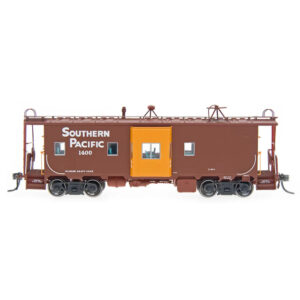
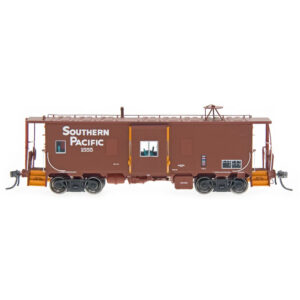
Centralia Car Shops HO C-40-4 Bay Window Caboose Southern Pacific “As Delivered”
$48.00 Select options This product has multiple variants. The options may be chosen on the product page -

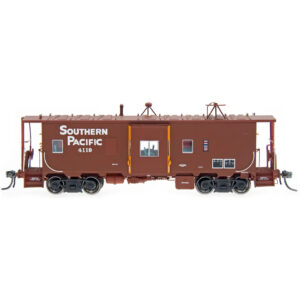
Centralia Car Shops HO C-40-4 Bay Window Caboose Southern Pacific “End Mounted Marker Lights”
$48.00 Select options This product has multiple variants. The options may be chosen on the product page -
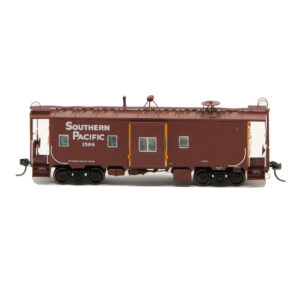
Centralia Car Shops HO C-40-4 Bay Window Caboose Southern Pacific “Rebuilt”
$48.00 Select options This product has multiple variants. The options may be chosen on the product page -
Centralia Car Shops HO C-40-4 Bay Window Caboose Southern Pacific “Repaint”
$48.00 Select options This product has multiple variants. The options may be chosen on the product page -
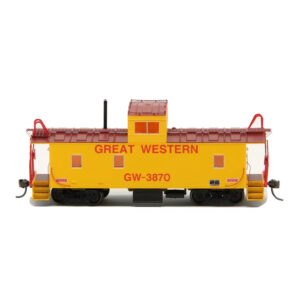
Centralia Car Shops HO UP Caboose Great Western
$48.00 Select options This product has multiple variants. The options may be chosen on the product page -
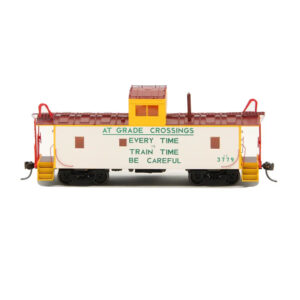
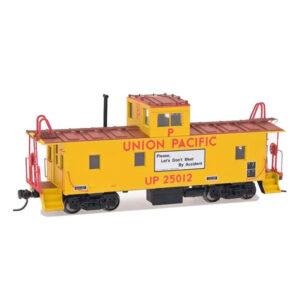
Centralia Car Shops HO UP Caboose Union Pacific “Early Slogans”
$48.00 Select options This product has multiple variants. The options may be chosen on the product page -
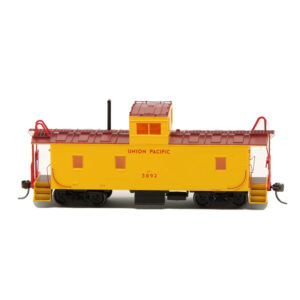
Centralia Car Shops HO UP Caboose Union Pacific “Early”
$48.00 Select options This product has multiple variants. The options may be chosen on the product page -
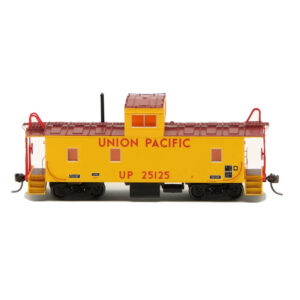
Centralia Car Shops HO UP Caboose Union Pacific “Late”
$48.00 Select options This product has multiple variants. The options may be chosen on the product page -
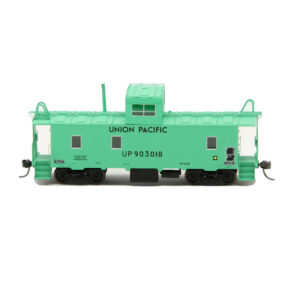
Centralia Car Shops HO UP Caboose Union Pacific “MOW Green”
$48.00 Select options This product has multiple variants. The options may be chosen on the product page -
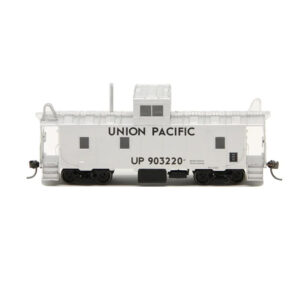
Centralia Car Shops HO UP Caboose Union Pacific “MOW Silver”
$48.00 Select options This product has multiple variants. The options may be chosen on the product page -
Centralia Car Shops HO UP Caboose Union Pacific “Slogans”
$48.00 Select options This product has multiple variants. The options may be chosen on the product page