Northeastern Style Steel Caboose
Prototype Information
The Reading Railroad designed the Northeastern style caboose in the early 1920s. This design used a rugged, all-steel body and a centered cupola. The car featured a distinctive short frame and vertical steel ribs. Steel construction protected crews much better than the wooden cars of that era. Its compact size also worked well on the tight curves of busy Eastern coal branches.
Neighboring railroads noticed the successful design and placed their own orders. Lines like the Lehigh Valley, Central Railroad of New Jersey, and Western Maryland adopted it as their standard. During World War II, the War Production Board chose this design as a standard model for other railroads. This decision made the Northeastern caboose a common sight on Eastern tracks for decades.
Railroads modernized these cars in the 1960s by adding electric lights and oil stoves. Many units survived the merger into Conrail in 1976 because their steel frames remained strong. Crews trusted the sturdy build when moving heavy coal and ore trains. Most railroads retired them in the 1980s when electronic sensors replaced rear-end crews. Today, these cars remain popular in museums due to their classic, “stubby” appearance.
Showing all 4 results
-
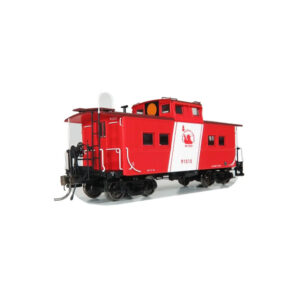
Rapido HO NE-Style Steel Caboose Central RR of New Jersey “Coast Guard” w/ Lights
$84.00 Select options This product has multiple variants. The options may be chosen on the product page -

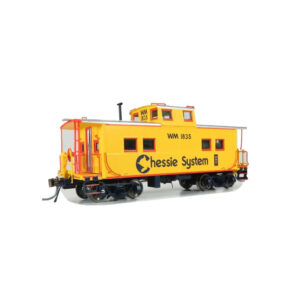
Rapido HO NE-Style Steel Caboose Chessie System “WM” w/ Lights
$84.00 Select options This product has multiple variants. The options may be chosen on the product page -
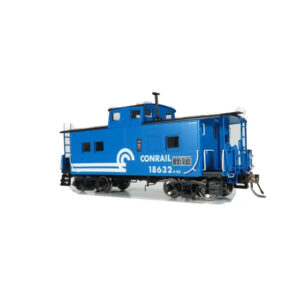
Rapido HO NE-Style Steel Caboose Conrail w/ Lights
$84.00 Select options This product has multiple variants. The options may be chosen on the product page -
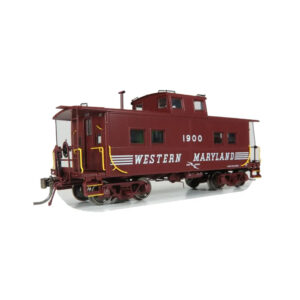
Rapido HO NE-Style Steel Caboose Western Maryland “Speed” w/ Lights
$84.00 Select options This product has multiple variants. The options may be chosen on the product page