
SD38 Diesel Locomotive
Prototype Information
EMD produced the SD38 between 1967 and 1971 as a specialized alternative to the high-horsepower race of the late sixties. While EMD marketed the turbocharged SD40 for high-speed freight, the SD38 filled a niche for heavy-duty, low-speed work. It used the same six-axle frame as the SD40 but featured a non-turbocharged 16-cylinder 645E engine. This setup produced 2,000 horsepower, prioritizing reliability and fuel efficiency over raw speed. Heavy industrial users and railroads with steep grades valued the locomotive for its massive lugging power and simple maintenance.
Production remained limited, with EMD building only 53 units for North American railroads. The Penn Central and Bessemer & Lake Erie became the most notable operators, often using them in heavy mineral and coal service. EMD later updated the design to the SD38-2, which saw much greater success during the “Dash 2” era. Despite the small production run of the original model, many units enjoyed incredibly long lives due to their rugged construction. Several original SD38s eventually found second lives on short lines or as heavy hump yard switchers for Class I railroads.
Showing all 12 results
-

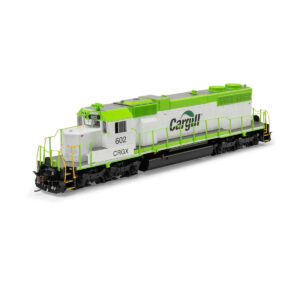
Athearn HO SD38 Cargill w/ DCC & Sound #602
$208.00 Add to cart -
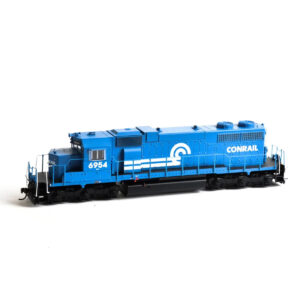
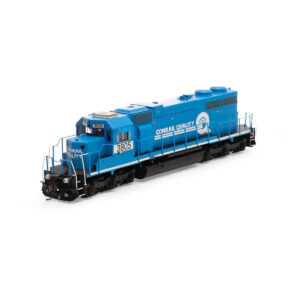
Athearn HO SD38 Conrail
$152.00 Select options This product has multiple variants. The options may be chosen on the product page -
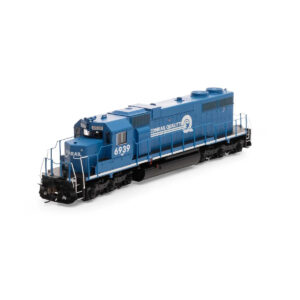
Athearn HO SD38 Conrail “Quality”
$136.00 Select options This product has multiple variants. The options may be chosen on the product page -
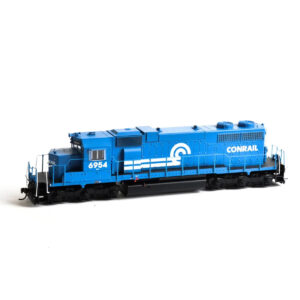
Athearn HO SD38 Conrail w/ DCC & Sound
$208.00 Select options This product has multiple variants. The options may be chosen on the product page -
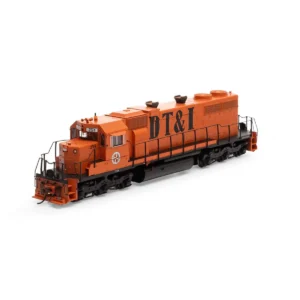
Athearn HO SD38 Detroit Toledo & Ironton
$144.00 Select options This product has multiple variants. The options may be chosen on the product page -
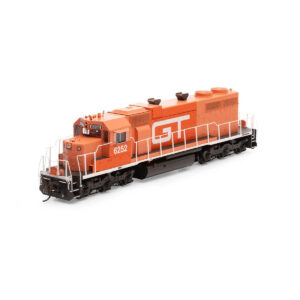
Athearn HO SD38 Grand Trunk “DTI Patch” w/ DCC & Sound #6252
$200.00 Add to cart -
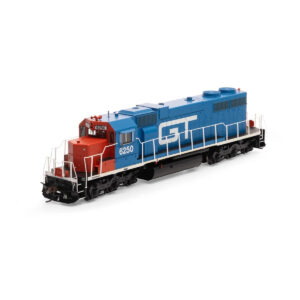
Athearn HO SD38 Grand Trunk w/ DCC & Sound
$192.00 Select options This product has multiple variants. The options may be chosen on the product page -
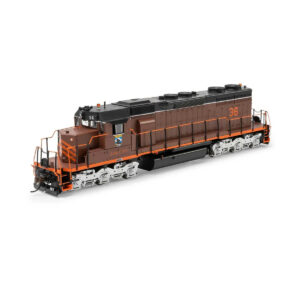
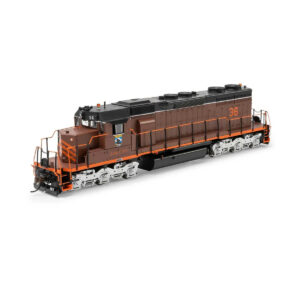
Athearn HO SD38 McCloud River “Brown & Orange”
$152.00 Select options This product has multiple variants. The options may be chosen on the product page -
Athearn HO SD38 McCloud River “Brown & Orange” w/ DCC & Sound
$208.00 Select options This product has multiple variants. The options may be chosen on the product page -
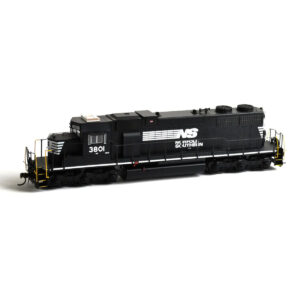
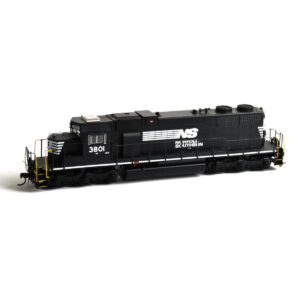
Athearn HO SD38 Norfolk Southern
$152.00 Select options This product has multiple variants. The options may be chosen on the product page -
Athearn HO SD38 Norfolk Southern “ex CR” w/ DCC & Sound
$200.00 Select options This product has multiple variants. The options may be chosen on the product page -
Athearn HO SD38 Norfolk Southern w/ DCC & Sound
$208.00 Select options This product has multiple variants. The options may be chosen on the product page