50' Mechanical Reefer
Prototype Information
The 50′ mechanical reefer revolutionized the transport of perishables in the early 1950s. As the frozen food industry boomed, traditional ice-cooled cars could no longer maintain the sub-zero temperatures required for products like concentrated juice and frozen vegetables. Manufacturers like Pacific Fruit Express and Fruit Growers Express developed a 50-foot steel design equipped with a self-contained diesel engine and compressor. This mechanical system eliminated the need for thousands of icing stations across the country. These cars provided precise temperature control, allowing railroads to compete with the growing trucking industry for high-value food shipments.
By the 1960s and 1970s, the 50′ mechanical reefer became the standard workhorse of the American rails. Its increased length offered much higher capacity than the older 40′ cars, while its thick foam insulation and cushioned underframes protected delicate cargo from heat and vibration. Large plug doors created an airtight seal and allowed forklifts to load pallets quickly, further streamlining the supply chain. Although even larger 64′ cars eventually appeared for high-volume hauls, the 50′ mechanical reefer remained a ubiquitous sight for decades. It fundamentally changed the American diet by making fresh and frozen goods affordable and available in every season.
Showing all 11 results
-

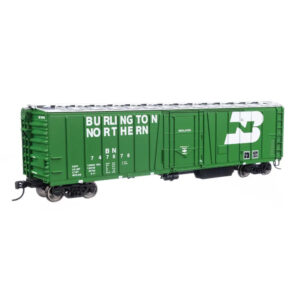
Walthers Mainline HO 50′ Mechanical Reefer Burlington Northern
$28.00 Select options This product has multiple variants. The options may be chosen on the product page -
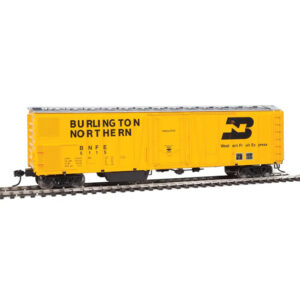
Walthers Mainline HO 50′ Mechanical Reefer Burlington Northern “Yellow”
$23.00 Select options This product has multiple variants. The options may be chosen on the product page -
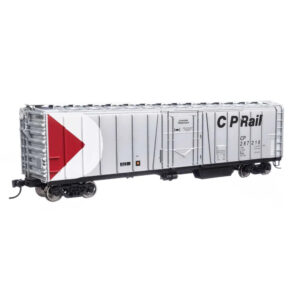
Walthers Mainline HO 50′ Mechanical Reefer Canadian Pacific
$28.00 Select options This product has multiple variants. The options may be chosen on the product page -
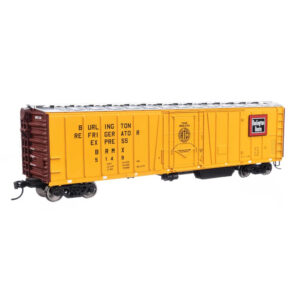
Walthers Mainline HO 50′ Mechanical Reefer Chicago Burlington & Quincy “BRMX”
$28.00 Select options This product has multiple variants. The options may be chosen on the product page -
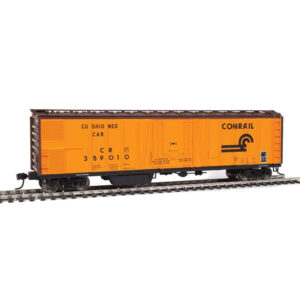
Walthers Mainline HO 50′ Mechanical Reefer Conrail
$23.00 Select options This product has multiple variants. The options may be chosen on the product page -
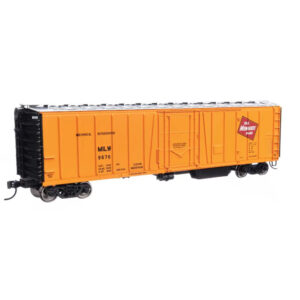
Walthers Mainline HO 50′ Mechanical Reefer Milwaukee Road
$28.00 Select options This product has multiple variants. The options may be chosen on the product page -
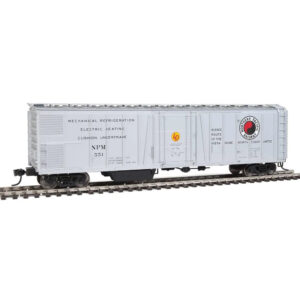
Walthers Mainline HO 50′ Mechanical Reefer Norhern Pacific
$23.00 Select options This product has multiple variants. The options may be chosen on the product page -
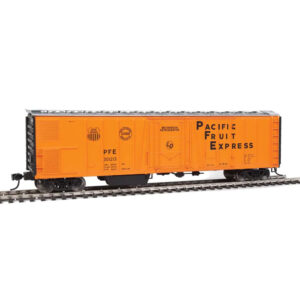
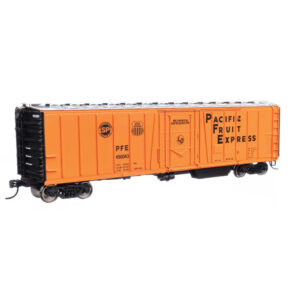
Walthers Mainline HO 50′ Mechanical Reefer Pacific Fruit Express
$23.00 Select options This product has multiple variants. The options may be chosen on the product page -
Walthers Mainline HO 50′ Mechanical Reefer Pacific Fruit Express “SP Filled In”
$28.00 Select options This product has multiple variants. The options may be chosen on the product page -
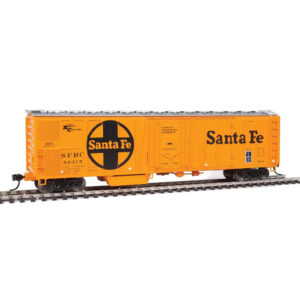
Walthers Mainline HO 50′ Mechanical Reefer Santa Fe
$23.00 Select options This product has multiple variants. The options may be chosen on the product page -
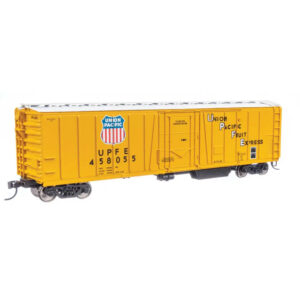
Walthers Mainline HO 50′ Mechanical Reefer Union Pacific
$28.00 Select options This product has multiple variants. The options may be chosen on the product page