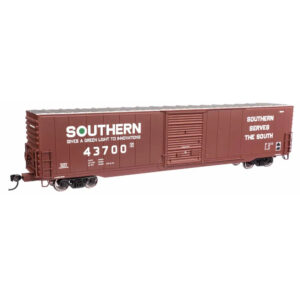
60' PS Auto Parts box Car
Prototype Information
The Pullman-Standard 60′ auto parts boxcar emerged in the early 1960s as a response to the rapidly evolving logistics needs of the American automotive industry. As car manufacturers moved toward larger, pre-fabricated components, the traditional 40′ and 50′ boxcars became inefficient for high-cube, lightweight loads. Pullman-Standard, a titan in railcar manufacturing, designed these 60-foot “standard” cars to provide significantly more interior volume while maintaining a versatile footprint. Often featuring double plug doors for easy forklift access and specialized interior “DF” (Damage Free) loading racks, these cars became the backbone of the “just-in-time” supply chain, shuttling engines, transmissions, and stampings between parts plants and assembly lines.
By the late 1960s and into the 1970s, the design became a ubiquitous sight on North American rails, easily identified by its impressive length and often vibrant railroad liveries. While Pullman-Standard produced various configurations, the 7315-cubic-foot design was particularly iconic, striking a balance between capacity and track maneuverability. Although the rise of even larger 86′ “excess height” cars eventually took over the transport of bulky body panels, the 60′ Pullman-Standard boxcar remained a versatile workhorse for denser mechanical parts. Even as Pullman-Standard exited the railcar business in the early 1980s, thousands of these durable cars continued in service for decades, cemented as a definitive symbol of the golden age of industrial railroading.
Showing all 26 results
-
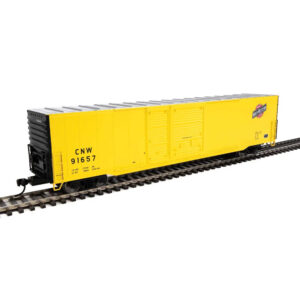
Walthers Mainline HO 60′ PS Auto Parts 10′ & 6′ Double Door Box Car Chicago & North Western “Yellow”
$28.00 Select options This product has multiple variants. The options may be chosen on the product page -

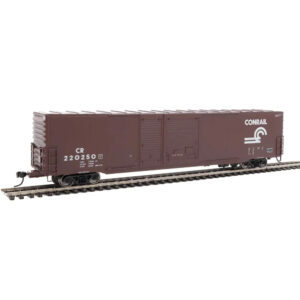
Walthers Mainline HO 60′ PS Auto Parts 10′ & 6′ Double Door Box Car Conrail
$28.00 Select options This product has multiple variants. The options may be chosen on the product page -
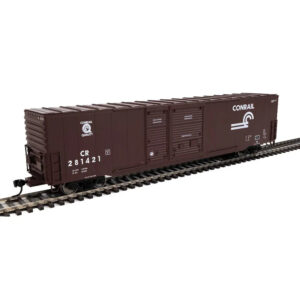
Walthers Mainline HO 60′ PS Auto Parts 10′ & 6′ Double Door Box Car Conrail “Quality”
$28.00 Select options This product has multiple variants. The options may be chosen on the product page -
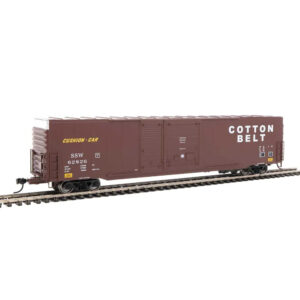
Walthers Mainline HO 60′ PS Auto Parts 10′ & 6′ Double Door Box Car Cotton Belt
$28.00 Select options This product has multiple variants. The options may be chosen on the product page -
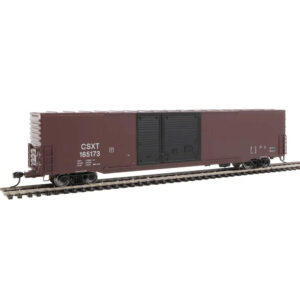
Walthers Mainline HO 60′ PS Auto Parts 10′ & 6′ Double Door Box Car CSX “Brown & Black”
$28.00 Select options This product has multiple variants. The options may be chosen on the product page -
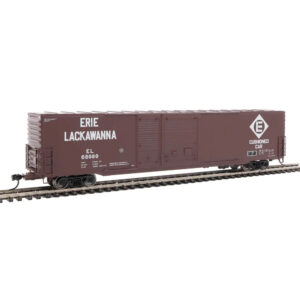
Walthers Mainline HO 60′ PS Auto Parts 10′ & 6′ Double Door Box Car Erie Lackawanna
$28.00 Select options This product has multiple variants. The options may be chosen on the product page -
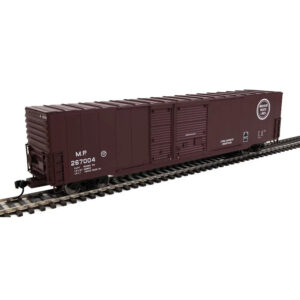
Walthers Mainline HO 60′ PS Auto Parts 10′ & 6′ Double Door Box Car Missouri Pacific
$28.00 Select options This product has multiple variants. The options may be chosen on the product page -
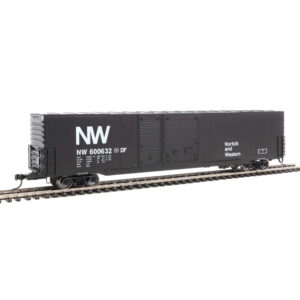
Walthers Mainline HO 60′ PS Auto Parts 10′ & 6′ Double Door Box Car Norfolk & Western “Black”
$28.00 Select options This product has multiple variants. The options may be chosen on the product page -
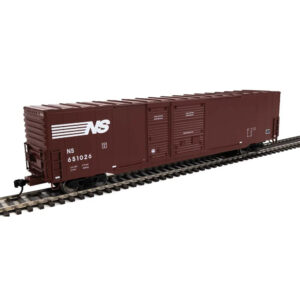
Walthers Mainline HO 60′ PS Auto Parts 10′ & 6′ Double Door Box Car Norfolk Southern
$28.00 Select options This product has multiple variants. The options may be chosen on the product page -
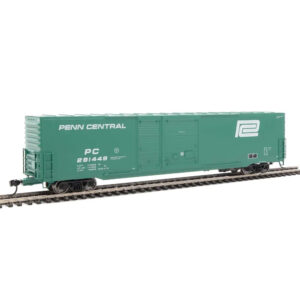
Walthers Mainline HO 60′ PS Auto Parts 10′ & 6′ Double Door Box Car Penn Central
$28.00 Select options This product has multiple variants. The options may be chosen on the product page -
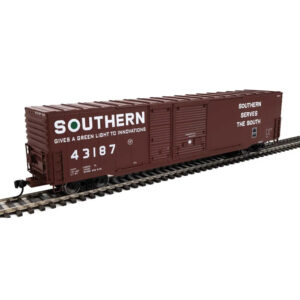
Walthers Mainline HO 60′ PS Auto Parts 10′ & 6′ Double Door Box Car Southern “Green Light to Innovations”
$28.00 Select options This product has multiple variants. The options may be chosen on the product page -
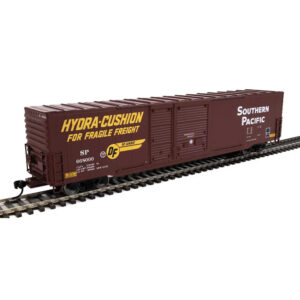
Walthers Mainline HO 60′ PS Auto Parts 10′ & 6′ Double Door Box Car Southern Pacific “Hydra Cushion”
$28.00 Select options This product has multiple variants. The options may be chosen on the product page -
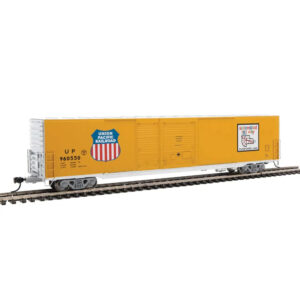
Walthers Mainline HO 60′ PS Auto Parts 10′ & 6′ Double Door Box Car Union Pacific “Automated Railway”
$28.00 Select options This product has multiple variants. The options may be chosen on the product page -
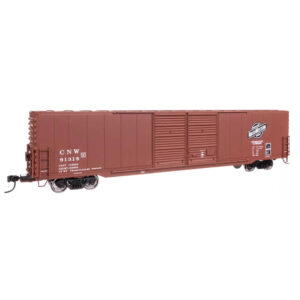
Walthers Mainline HO 60′ PS Auto Parts 8′ & 8′ Double Door Box Car Chicago & North Western
$44.00 Select options This product has multiple variants. The options may be chosen on the product page -
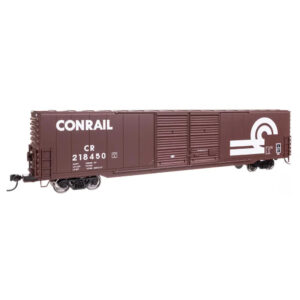
Walthers Mainline HO 60′ PS Auto Parts 8′ & 8′ Double Door Box Car Conrail
$44.00 Select options This product has multiple variants. The options may be chosen on the product page -
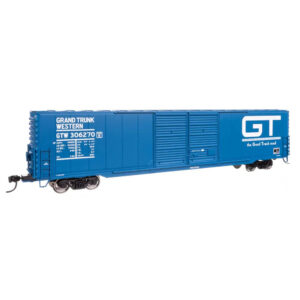
Walthers Mainline HO 60′ PS Auto Parts 8′ & 8′ Double Door Box Car Grand Trunk
$44.00 Select options This product has multiple variants. The options may be chosen on the product page -
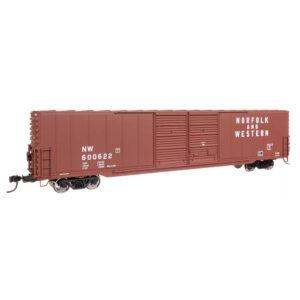
Walthers Mainline HO 60′ PS Auto Parts 8′ & 8′ Double Door Box Car Norfolk & Western
$44.00 Select options This product has multiple variants. The options may be chosen on the product page -
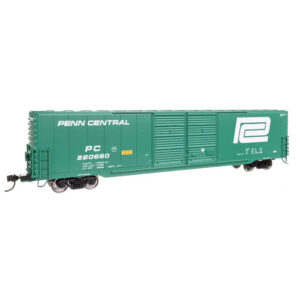
Walthers Mainline HO 60′ PS Auto Parts 8′ & 8′ Double Door Box Car Penn Central
$44.00 Select options This product has multiple variants. The options may be chosen on the product page -
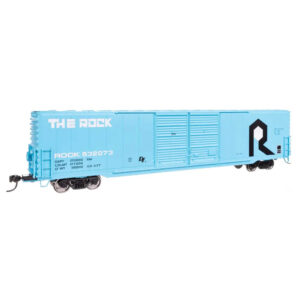
Walthers Mainline HO 60′ PS Auto Parts 8′ & 8′ Double Door Box Car Rock Island “Blue”
$44.00 Select options This product has multiple variants. The options may be chosen on the product page -
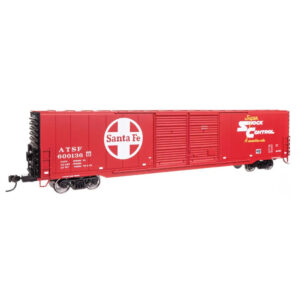
Walthers Mainline HO 60′ PS Auto Parts 8′ & 8′ Double Door Box Car Santa Fe “Super Shock Control”
$44.00 Select options This product has multiple variants. The options may be chosen on the product page -
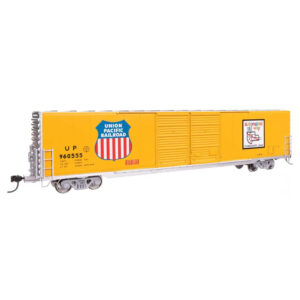
Walthers Mainline HO 60′ PS Auto Parts 8′ & 8′ Double Door Box Car Union Pacific “Automated Railway”
$44.00 Select options This product has multiple variants. The options may be chosen on the product page -
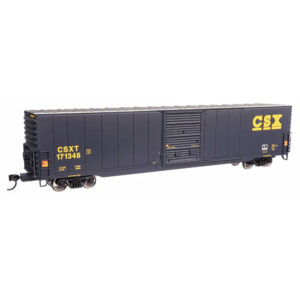
Walthers Mainline HO 60′ PS Auto Parts Box Car CSX
$31.00 Select options This product has multiple variants. The options may be chosen on the product page -
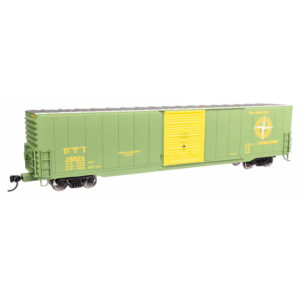
Walthers Mainline HO 60′ PS Auto Parts Box Car Detroit Toledo & Ironton “Green”
$31.00 Select options This product has multiple variants. The options may be chosen on the product page -
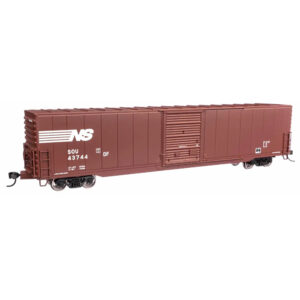
Walthers Mainline HO 60′ PS Auto Parts Box Car Norfolk Southern “SOU Reporting Mark”
$31.00 Select options This product has multiple variants. The options may be chosen on the product page -
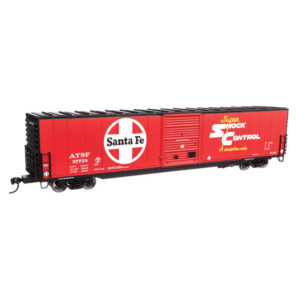
Walthers Mainline HO 60′ PS Auto Parts Box Car Santa Fe “Super Shock Control”
$31.00 Select options This product has multiple variants. The options may be chosen on the product page -
Walthers Mainline HO 60′ PS Auto Parts Box Car Southern “Green Light to Innovations”
$31.00 Select options This product has multiple variants. The options may be chosen on the product page