Ore Car
Prototype Information
The Michigan and Minnesota ore cars, often called “jennies,” represent a specialized evolution in heavy-haul railroading. These cars handled the unique density of iron ore. In Minnesota, the short 24-foot car length aligned with the 12-foot spacing of the ore dock chutes. These early steel designs typically carried 50 to 70 tons of natural ore. Michigan designs were notably narrower than Minnesota versions. This narrower width allowed the cars to clear the smaller docks in Marquette and Escanaba.
The transition to taconite pellets in the 1950s and 1960s forced a redesign. Taconite pellets are less dense than raw iron ore. Traditional short cars reached their weight limit before the car body was full. Railroads added steel side extensions to increase cubic volume. Later, builders introduced dedicated 100-ton taconite cars. These newer cars were typically 35 feet long. Modern cars often travel in permanently coupled sets to improve train handling across the Iron Range.
Showing all 14 results
-

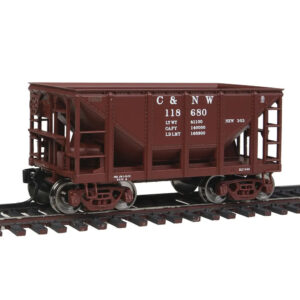
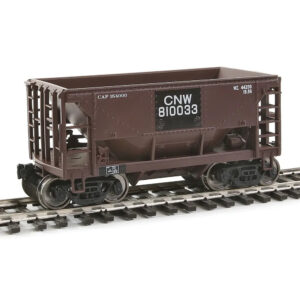
Walthers Mainline HO Michigan Ore Car Chicago & North Western – 6 Pack
$80.00 Select options This product has multiple variants. The options may be chosen on the product page -
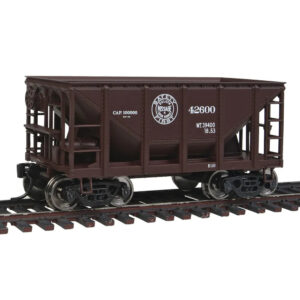
Walthers Mainline HO Michigan Ore Car Duluth Missabe & Iron Range – 6 Pack
$80.00 Select options This product has multiple variants. The options may be chosen on the product page -
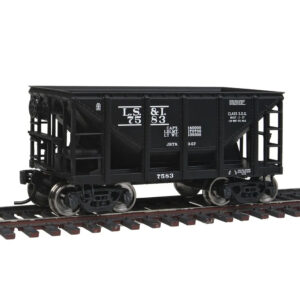
Walthers Mainline HO Michigan Ore Car Lake Superior & Ishpeming – 6 Pack
$80.00 Select options This product has multiple variants. The options may be chosen on the product page -
Walthers Mainline HO Minnesota Ore Car Chicago & North Western “Patched” – 6 Pack
$80.00 Select options This product has multiple variants. The options may be chosen on the product page -
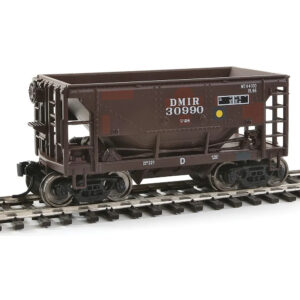
Walthers Mainline HO Minnesota Ore Car Duluth Missabe & Iron Range “Modern” – 6 Pack
$80.00 Select options This product has multiple variants. The options may be chosen on the product page -
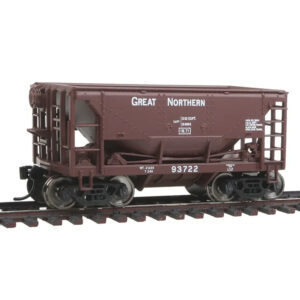
Walthers Mainline HO Minnesota Ore Car Great Northern – 6 Pack
$80.00 Select options This product has multiple variants. The options may be chosen on the product page -
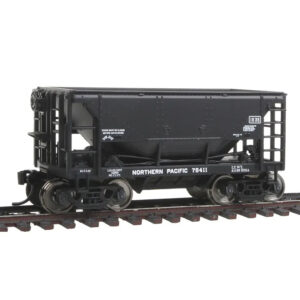
Walthers Mainline HO Minnesota Ore Car Northern Pacific – 6 Pack
$80.00 Select options This product has multiple variants. The options may be chosen on the product page -
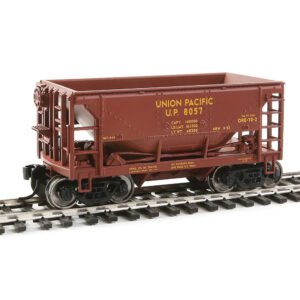
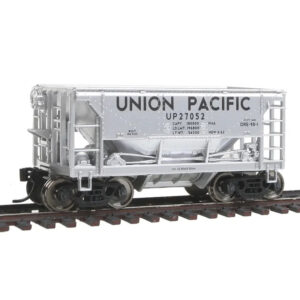
Walthers Mainline HO Minnesota Ore Car Union Pacific – 6 Pack
$80.00 Select options This product has multiple variants. The options may be chosen on the product page -
Walthers Mainline HO Minnesota Ore Car Union Pacific “Silver” – 6 Pack
$80.00 Select options This product has multiple variants. The options may be chosen on the product page -
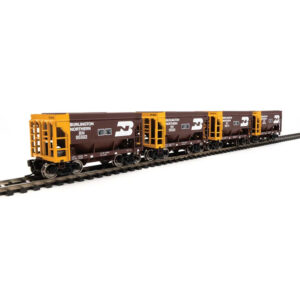
Walthers Mainline HO Minnesota Taconite Ore Car Burlington Northern – 4 Pack
Price range: $64.00 through $88.00 Select options This product has multiple variants. The options may be chosen on the product page -
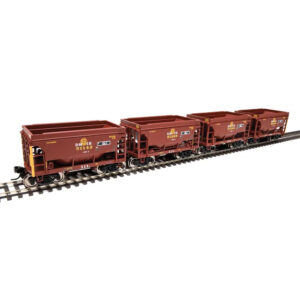
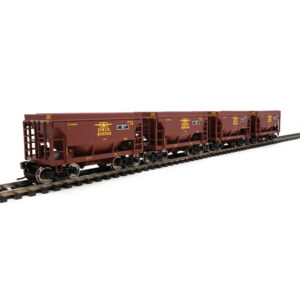
Walthers Mainline HO Minnesota Taconite Ore Car Duluth Missabe & Iron Range “Patched” – 4 Pack
Price range: $64.00 through $88.00 Select options This product has multiple variants. The options may be chosen on the product page -
Walthers Mainline HO Minnesota Taconite Ore Car Duluth Missabe & Iron Range “Safety First” – 4 Pack
$88.00 Select options This product has multiple variants. The options may be chosen on the product page -
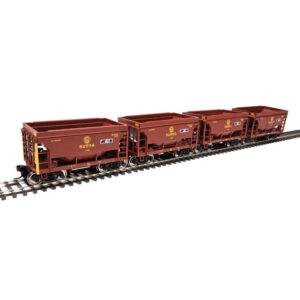
Walthers Mainline HO Minnesota Taconite Ore Car Duluth Missabe & Iron Range “T Bird” – 4 Pack
$88.00 Select options This product has multiple variants. The options may be chosen on the product page -
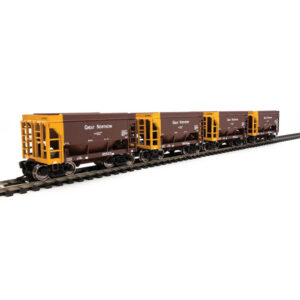
Walthers Mainline HO Minnesota Taconite Ore Car Great Northern – 4 Pack
Price range: $64.00 through $88.00 Select options This product has multiple variants. The options may be chosen on the product page