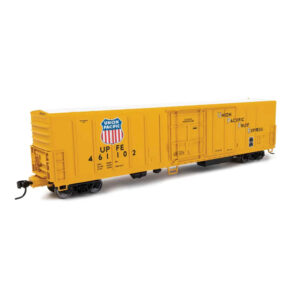

57' Mechanical Reefer
Prototype Information
The 57′ mechanical reefer entered service in the mid-1960s to maximize shipping efficiency for the booming frozen food market. As railroads faced increasing competition from interstate trucking, they needed larger cars to lower per-unit shipping costs. Companies like Pacific Fruit Express and Santa Fe adopted this 57-foot design as their new high-capacity standard. These cars featured advanced diesel-powered refrigeration units and thick polyurethane foam insulation to maintain stable temperatures over thousands of miles. Their increased length allowed for significantly more pallet space than the older 50′ models, making them the preferred choice for massive shipments of frozen potatoes and citrus products.
By the 1970s, the 57′ mechanical reefer had become a dominant fixture on long-haul “perishable fruit” express trains. These cars used wide plug doors to create a flush, airtight seal that prevented cold air from escaping while facilitating rapid loading by forklifts. Many units featured cushioned underframes to protect the cargo from the shocks and vibrations of high-speed transit. While specialized 64′ cars eventually took over some high-volume routes, the 57′ car remained a versatile mid-sized option for decades. Even as newer designs emerged, these durable steel cars continued to serve the North American cold chain well into the late 20th century.
Showing all 20 results
-

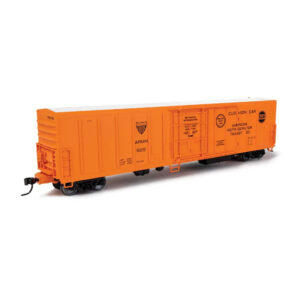
Walthers Mainline HO 57′ Mechanical Reefer American Refrigerator Transit “MP & NW Logos”
Price range: $24.00 through $28.00 Select options This product has multiple variants. The options may be chosen on the product page -
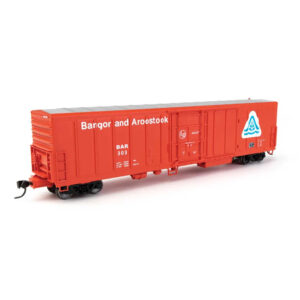
Walthers Mainline HO 57′ Mechanical Reefer Bangor & Aroostook
Price range: $24.00 through $28.00 Select options This product has multiple variants. The options may be chosen on the product page -
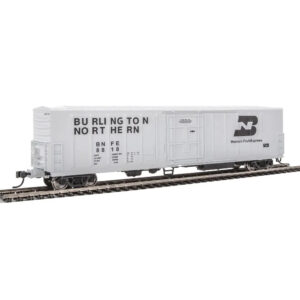
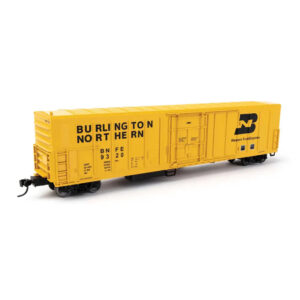
Walthers Mainline HO 57′ Mechanical Reefer Burlington Northern
Price range: $26.00 through $28.00 Select options This product has multiple variants. The options may be chosen on the product page -
Walthers Mainline HO 57′ Mechanical Reefer Burlington Northern “Yellow”
$28.00 Select options This product has multiple variants. The options may be chosen on the product page -
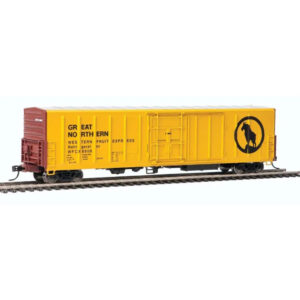
Walthers Mainline HO 57′ Mechanical Reefer Great Northern “WFCX”
$24.00 Select options This product has multiple variants. The options may be chosen on the product page -
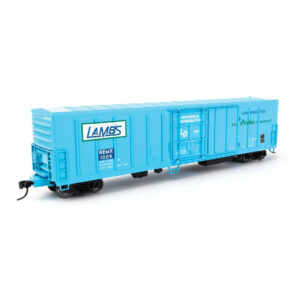
Walthers Mainline HO 57′ Mechanical Reefer Lamb Weston “REMX”
$28.00 Select options This product has multiple variants. The options may be chosen on the product page -
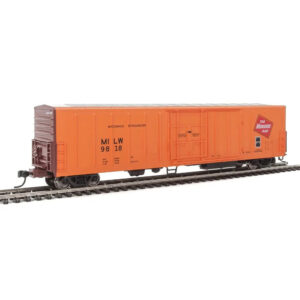
Walthers Mainline HO 57′ Mechanical Reefer Milwaukee Road
$26.00 Select options This product has multiple variants. The options may be chosen on the product page -
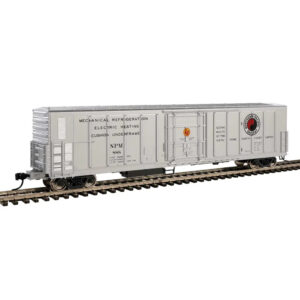
Walthers Mainline HO 57′ Mechanical Reefer Northern Pacific
$28.00 Select options This product has multiple variants. The options may be chosen on the product page -
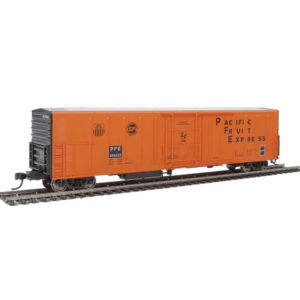
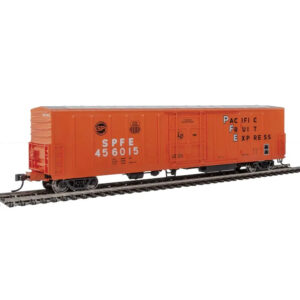
Walthers Mainline HO 57′ Mechanical Reefer Pacific Fruit Express “Black Box”
Price range: $26.00 through $28.00 Select options This product has multiple variants. The options may be chosen on the product page -
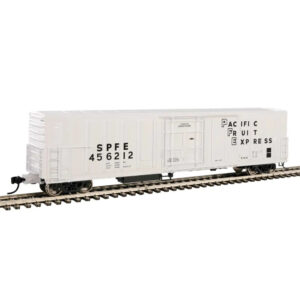
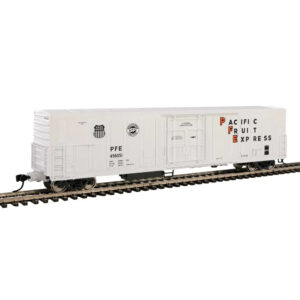
Walthers Mainline HO 57′ Mechanical Reefer Pacific Fruit Express “SPFE, White Lettering”
$26.00 Select options This product has multiple variants. The options may be chosen on the product page -
Walthers Mainline HO 57′ Mechanical Reefer Pacific Fruit Express “SPFE, White with Shadow Lettering”
Price range: $24.00 through $28.00 Select options This product has multiple variants. The options may be chosen on the product page -
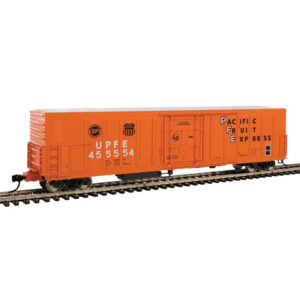
Walthers Mainline HO 57′ Mechanical Reefer Pacific Fruit Express “UPFE, White Lettering”
$28.00 Select options This product has multiple variants. The options may be chosen on the product page -
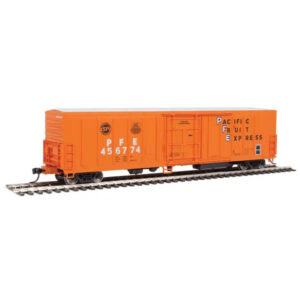
Walthers Mainline HO 57′ Mechanical Reefer Pacific Fruit Express “White Lettering”
$24.00 Select options This product has multiple variants. The options may be chosen on the product page -
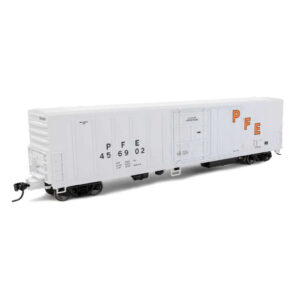
Walthers Mainline HO 57′ Mechanical Reefer Pacific Fruit Express “White UP & SP with Orange PFE Lettering”
$28.00 Select options This product has multiple variants. The options may be chosen on the product page -
Walthers Mainline HO 57′ Mechanical Reefer Pacific Fruit Express “White, Orange Lettering”
$28.00 Select options This product has multiple variants. The options may be chosen on the product page -
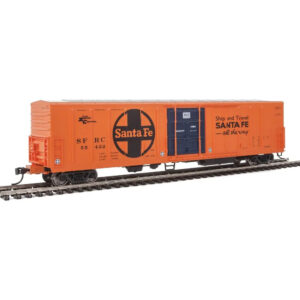
Walthers Mainline HO 57′ Mechanical Reefer Santa Fe “SFRC”
$26.00 Select options This product has multiple variants. The options may be chosen on the product page -
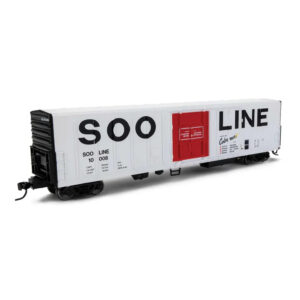
Walthers Mainline HO 57′ Mechanical Reefer Soo Line
$28.00 Select options This product has multiple variants. The options may be chosen on the product page -
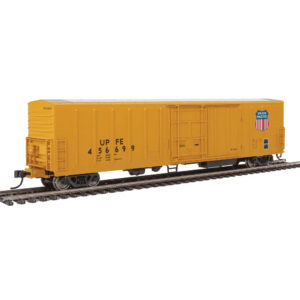
Walthers Mainline HO 57′ Mechanical Reefer Union Pacific
Price range: $24.00 through $28.00 Select options This product has multiple variants. The options may be chosen on the product page -
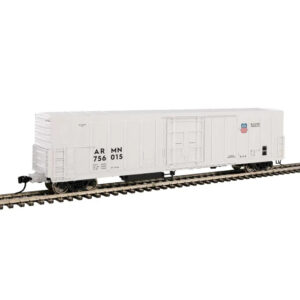
Walthers Mainline HO 57′ Mechanical Reefer Union Pacific “ARMN”
Price range: $26.00 through $28.00 Select options This product has multiple variants. The options may be chosen on the product page -
Walthers Mainline HO 57′ Mechanical Reefer Union Pacific “Shield Only”
$26.00 Select options This product has multiple variants. The options may be chosen on the product page